%2Ffit-in%2F250x250%2Fguide_websites%2F15827%2Fimages%2F1767420258082unnamed.jpg&w=1920&q=100)
/users/12e624f7-46df-44a6-aa12-ffc179931626/ratecard/528628537_1353192006810869_975984881467372986_n-mjxu7sob.jpg)
%2F300x300%2Fusers%2F12e624f7-46df-44a6-aa12-ffc179931626%2Fratecard%2F528628537_1353192006810869_975984881467372986_n-mjxu7sob.jpg&w=256&q=75)
%2F300x300%2Fusers%2F12e624f7-46df-44a6-aa12-ffc179931626%2Fimages%2Ffishing-cruise-kent-2295.jpg&w=256&q=75)
%2F300x300%2Fusers%2F12e624f7-46df-44a6-aa12-ffc179931626%2Fimages%2Fangler-enjoys-new-york-adventure-2706.jpg&w=256&q=75)
%2F300x300%2Fusers%2F12e624f7-46df-44a6-aa12-ffc179931626%2Fimages%2Fcruises-fishing-ny-2726.jpg&w=256&q=75)
%2F300x300%2Fusers%2F12e624f7-46df-44a6-aa12-ffc179931626%2Fimages%2Fcruises-fishing-trip-kent-2487.jpg&w=256&q=75)
%2F300x300%2Fusers%2F12e624f7-46df-44a6-aa12-ffc179931626%2Fimages%2Fcoho-salmon-kent-fishing-2454.jpg&w=256&q=75)
%2F300x300%2Fusers%2F12e624f7-46df-44a6-aa12-ffc179931626%2Fimages%2Fchinook-salmon-fishing-ny-2680.jpg&w=256&q=75)
%2F300x300%2Fusers%2F12e624f7-46df-44a6-aa12-ffc179931626%2Fimages%2Ffishing-in-ny-2594.jpg&w=256&q=75)
%2F300x300%2Fusers%2F12e624f7-46df-44a6-aa12-ffc179931626%2Fimages%2Fchinook-salmon-kent-fishing-2635.jpg&w=256&q=75)
%2F300x300%2Fusers%2F12e624f7-46df-44a6-aa12-ffc179931626%2Fimages%2Ffishing-fun-in-ny-2573.jpg&w=256&q=75)
%2F300x300%2Fusers%2F12e624f7-46df-44a6-aa12-ffc179931626%2Fimages%2Fanglers-salmon-catch-kent-2689.jpg&w=256&q=75)
Afternoon Salmon Fishing Charter Kent NY Lake
 Lake Ontario
What you will be catching:
 Brown Trout
 Chinook Salmon
 Lake Trout
 Steelhead Trout
- 4-hour Lake Ontario salmon and trout fishing expedition
- All equipment and expert instruction provided aboard vessel
- Family-friendly trip accommodating up to 4 guests maximum
Trip Pricing and Availabilities:
Half Day Afternoon Lake Ontario Salmon & Trout
Looking for a solid afternoon of fishing without the early morning wake-up call? Captain Thomas Riley's got you covered with this 4-hour Lake Ontario adventure that kicks off in the afternoon and delivers some of the best salmon and trout action you'll find in these waters. Launching from Ernst's Lake Breeze Marina in Kent, NY, you'll be aboard the Shenanigans targeting everything from monster Chinook salmon to feisty steelhead trout. This isn't some cattle-boat operation either – we're talking private trips with a maximum of 4 anglers included in your base price, though the boat can handle up to 10 if you want to bring the whole crew. Perfect for families, first-timers, or seasoned anglers who want to dial in their Great Lakes technique with a captain who knows these waters like the back of his hand.
What to Expect on the Water
Captain Riley runs a laid-back operation where the focus is on having fun and putting fish in the boat. You'll meet at Ernst's Lake Breeze Marina, which sits perfectly positioned to access Lake Ontario's prime fishing zones without burning half your trip time just getting to the good spots. The Shenanigans is set up specifically for Great Lakes fishing, with all the downriggers, planer boards, and electronics you need to locate and land these lake monsters. Don't stress about bringing gear – everything's provided, from rods and reels to tackle and nets. The captain's approach is hands-on instruction without being pushy about it. Whether you're 8 or 80, he'll adjust the teaching style to match your comfort level. Expect to learn the nuances of trolling these big waters, reading electronics, and understanding how thermal layers affect fish behavior. The afternoon timing works great because you avoid the morning boat traffic and often hit prime feeding windows as the day progresses.
Trolling Tactics & Great Lakes Gear
Lake Ontario fishing is all about covering water and presenting baits at the right depths, and that means trolling with downriggers and planer boards. Captain Riley runs a full spread that can include anywhere from 6 to 12 lines depending on conditions and what the fish are telling us. You'll learn how downriggers work to get your spoons and plugs down to where the fish are suspended, often 40 to 100 feet below the surface. The planer boards spread your lines out wide, covering more water and keeping baits away from the boat's wake. Popular lures include spoons like NK28s and Stinger spoons in chrome, copper, and glow patterns, plus diving plugs that mimic the alewives and smelt these predators feed on. The electronics package includes fish finders and temperature probes that help locate baitfish schools and thermal breaks where salmon and trout concentrate. You'll get hands-on experience reading these units and understanding how water temperature affects fish location. When a rod fires off, everyone gets involved in the process – clearing lines, coaching the angler, and landing the fish safely.
Top Catches This Season
Chinook salmon are the kings of Lake Ontario, and for good reason. These Pacific transplants have adapted beautifully to the Great Lakes system and can reach weights of 30 pounds or more. They're typically found in deeper, cooler water during summer months, relating to temperature breaks and baitfish schools. What makes them special is their incredible fighting ability – a big king will make multiple runs, test your drag system, and give you an arm workout you won't forget. They're most active during spring and fall, but summer fishing can be fantastic when you find them in the thermocline. Brown trout are the opportunists of the group, often found in shallower water than salmon and known for their aggressive strikes. These European imports are smart, moody, and absolutely beautiful with their golden flanks and distinctive spots. They average 5 to 15 pounds in Lake Ontario and are notorious for their acrobatic fights, often jumping multiple times. Lake trout are the natives here, perfectly adapted to the deep, cold waters of Ontario. They're bottom-oriented fish that provide steady, powerful fights without the flashy jumps of their cousins. Steelhead are basically rainbow trout that have learned to live like salmon, and they bring that famous rainbow energy to every fight. These chrome-bright fish are absolute rockets when hooked, known for their aerial displays and line-screaming runs that keep you on your toes throughout the entire battle.
Time to Book Your Spot
This half-day afternoon format is perfect for families with kids, anglers who aren't morning people, or anyone wanting to sample Lake Ontario fishing without committing to a full day on the water. Captain Riley's experience shows in everything from boat positioning to lure selection, and his teaching approach means you'll leave knowing more about Great Lakes fishing than when you arrived. The private trip setup means no dealing with strangers, no rushing because someone else is seasick, and no compromising on techniques or target species. Just remember to grab your NY state fishing license before heading out – it's required and easily obtained online. With the afternoon departure, you can sleep in, grab lunch, and still be back at the dock with enough evening left to clean fish and plan your next trip. The combination of world-class fishing, professional guidance, and that relaxed Great Lakes atmosphere makes this a customer favorite that keeps anglers coming back season after season.
Learn more about the species
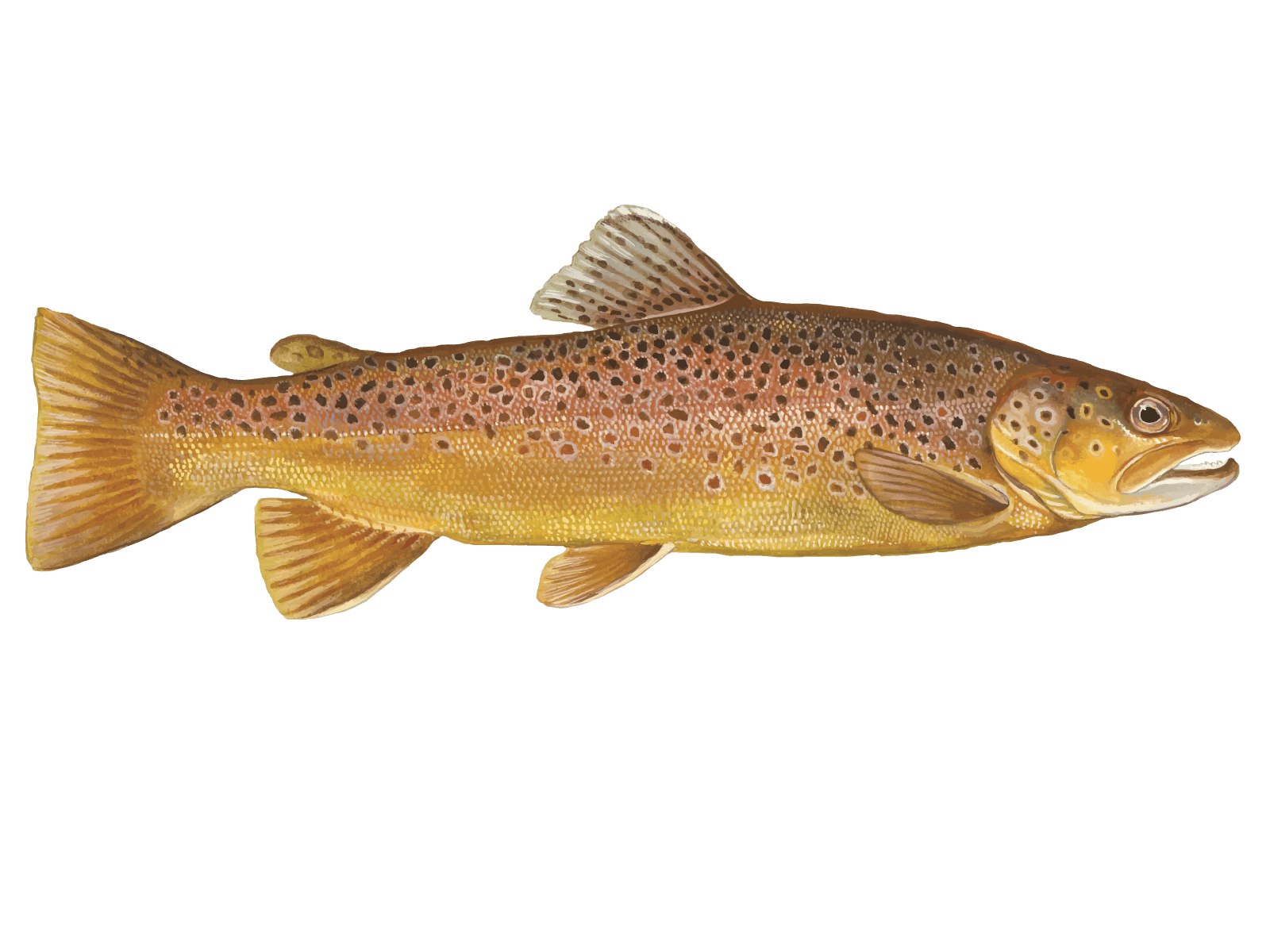
Brown Trout
Brown trout are the smart ones - golden-brown backs with black spots and a reputation for being picky. These fish typically run 8-24 inches and can live up to 20 years, getting wiser with age. They love cooler water around 54-65°F and stick close to structure like rocky points, drop-offs, and weed lines. Fall is prime time when they feed aggressively, especially at night and during overcast days. Browns are prized for their wariness and strong fights - they'll test your skills more than most trout. The mild, sweet meat is excellent table fare when prepared right. Local secret: during the fall spawn run, work the deeper edges of tributaries with crawfish patterns or small spoons - the big lake browns stage there before moving shallow.
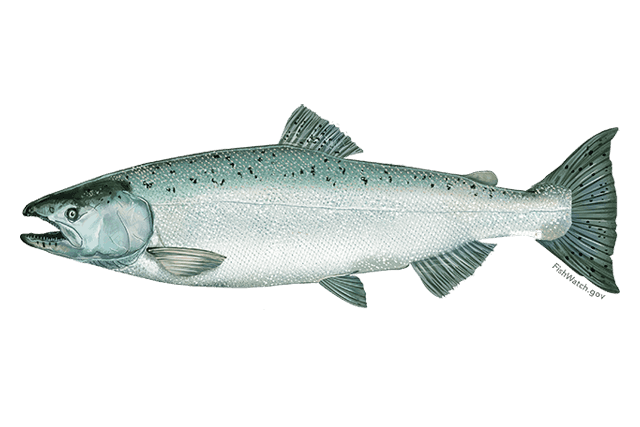
Chinook Salmon
Kings are the heavyweights of Lake Ontario, averaging 15-20 pounds but capable of hitting 30-plus. These silver-sided bruisers have blue-green backs covered in black spots and pack serious muscle from their ocean-like lifestyle. They're light-sensitive fish that hug the bottom during bright days, usually found suspended in 60-120 feet of water over deep basins. Early morning and evening bites are best, especially from late spring through early fall when they're feeding on alewives and other baitfish. Guests love the raw power - a hooked King will strip line and test every knot. The reddish-pink meat is top-shelf eating. Pro tip: when trolling, run your spoons and plugs just above where you're marking bait on the fish finder - that's where the Kings will be waiting.
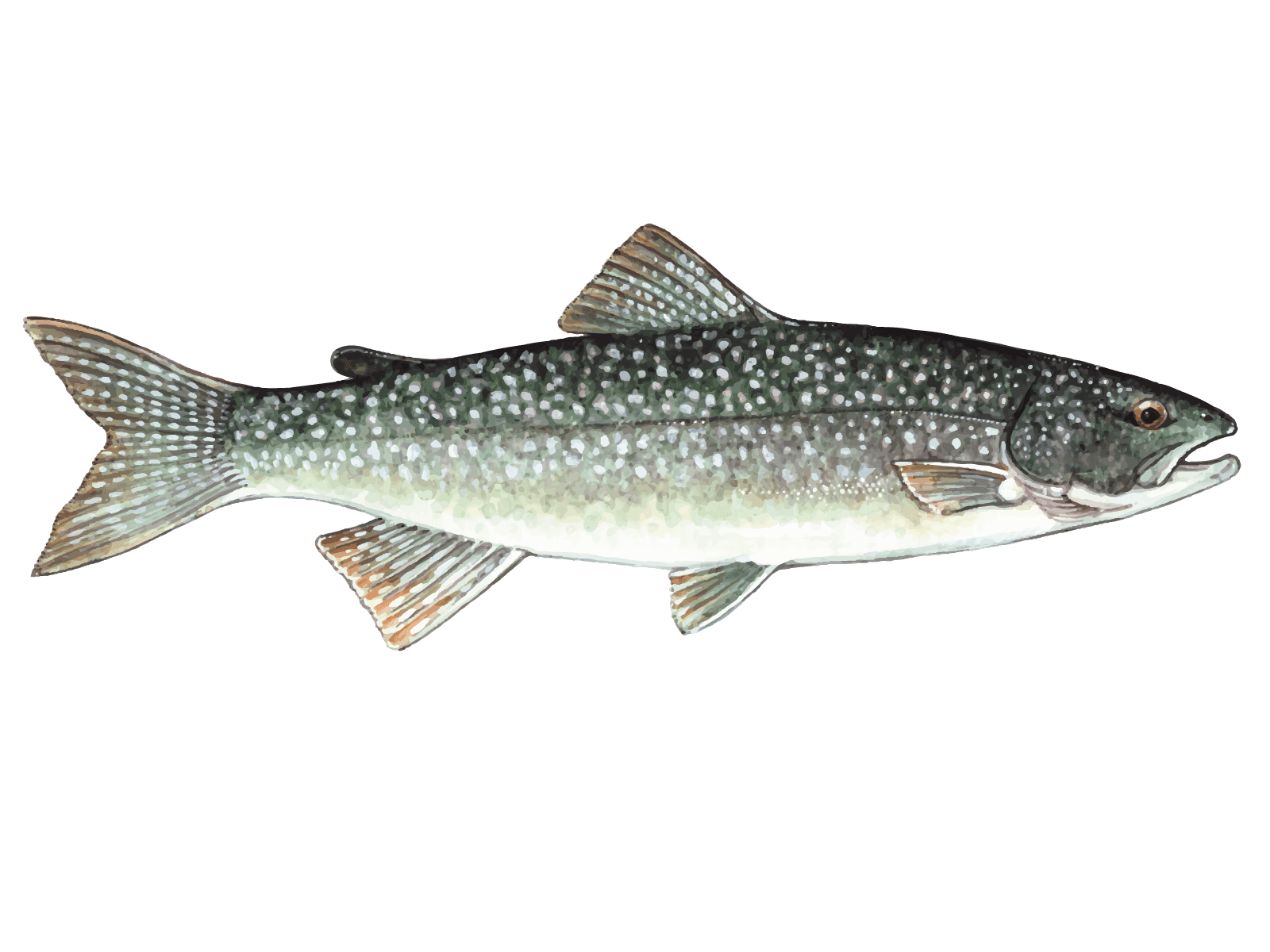
Lake Trout
Lakers are the deep-water specialists of the Great Lakes, with grey-green bodies and cream-colored markings. These cold-water fish average 24-36 inches and grow slow, making the big ones real trophies. They live in the deepest, coldest water available - usually 80-200 feet down in summer, suspended over basins or relating to underwater humps. Spring right after ice-out and late fall are best when they move shallower. Lakers provide steady, powerful fights and excellent eating with firm, flaky meat. Since they avoid bright light, overcast days or early morning work best. Here's the key: use downriggers or heavy jigs to get down to their level, and work lures that mimic wounded baitfish - Lakers can't resist an easy meal in their cold, deep world.
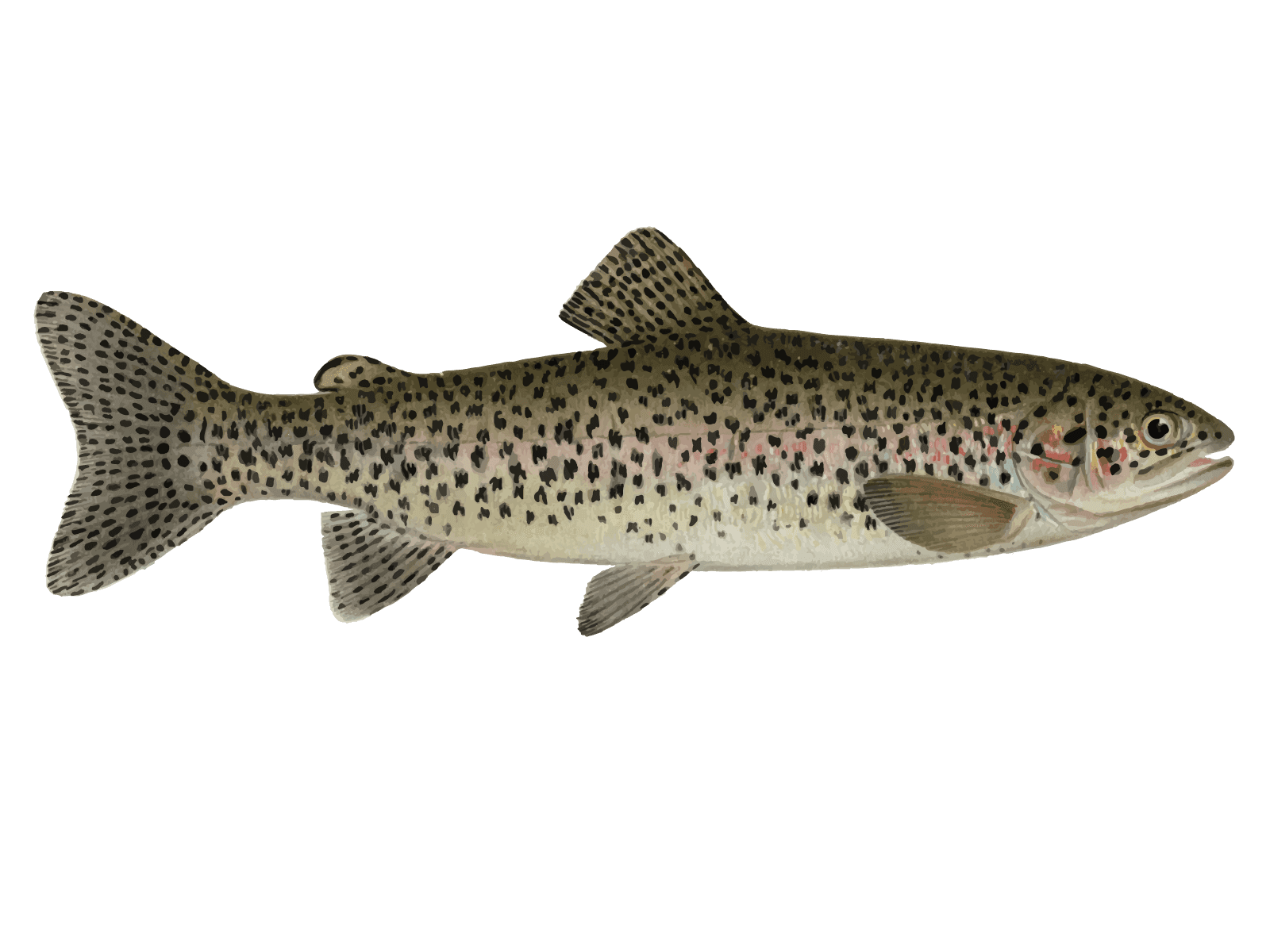
Steelhead Trout
Steelhead are rainbow trout that have spent time in the big water, making them stronger and more silver than their freshwater cousins. These fish average 24 inches but can stretch to 45 inches, with that classic streamlined body and black spots along their backs. In Lake Ontario, they cruise the deeper waters and love structure like drop-offs and rocky areas. Spring and fall are prime time when they're most active and feeding heavily. What makes steelhead special is their fight - they'll jump, run, and test your drag like few other fish. The meat is excellent eating too, with a clean, firm texture. Here's a local trick: when the water's choppy and overcast, work your lures just above the thermocline where these silver bullets like to hunt.
About the Shenanigans
%2F%2Fusers%2F12e624f7-46df-44a6-aa12-ffc179931626%2Fvehicle_picture%2Fimg_0416.jpeg&w=1920&q=75)
Vehicle Guest Capacity: 6
Manufacturer Name: Crusader
Maximum Cruising Speed: 25
Number of Engines: 2
Horsepower per Engine: 350