%2Ffit-in%2F250x250%2Fguide_websites%2F15827%2Fimages%2F1767420258082unnamed.jpg&w=1920&q=100)
/users/12e624f7-46df-44a6-aa12-ffc179931626/ratecard/137207718_2821874251422771_5176503339391179346_n-mjxuktxj.jpg)
%2F300x300%2Fusers%2F12e624f7-46df-44a6-aa12-ffc179931626%2Fratecard%2F137207718_2821874251422771_5176503339391179346_n-mjxuktxj.jpg&w=256&q=75)
%2F300x300%2Fusers%2F12e624f7-46df-44a6-aa12-ffc179931626%2Fimages%2Ffishing-cruise-kent-2295.jpg&w=256&q=75)
%2F300x300%2Fusers%2F12e624f7-46df-44a6-aa12-ffc179931626%2Fimages%2Fangler-enjoys-new-york-adventure-2706.jpg&w=256&q=75)
%2F300x300%2Fusers%2F12e624f7-46df-44a6-aa12-ffc179931626%2Fimages%2Fcruises-fishing-ny-2726.jpg&w=256&q=75)
%2F300x300%2Fusers%2F12e624f7-46df-44a6-aa12-ffc179931626%2Fimages%2Fcruises-fishing-trip-kent-2487.jpg&w=256&q=75)
%2F300x300%2Fusers%2F12e624f7-46df-44a6-aa12-ffc179931626%2Fimages%2Fcoho-salmon-kent-fishing-2454.jpg&w=256&q=75)
%2F300x300%2Fusers%2F12e624f7-46df-44a6-aa12-ffc179931626%2Fimages%2Fchinook-salmon-fishing-ny-2680.jpg&w=256&q=75)
%2F300x300%2Fusers%2F12e624f7-46df-44a6-aa12-ffc179931626%2Fimages%2Ffishing-in-ny-2594.jpg&w=256&q=75)
%2F300x300%2Fusers%2F12e624f7-46df-44a6-aa12-ffc179931626%2Fimages%2Fchinook-salmon-kent-fishing-2635.jpg&w=256&q=75)
%2F300x300%2Fusers%2F12e624f7-46df-44a6-aa12-ffc179931626%2Fimages%2Ffishing-fun-in-ny-2573.jpg&w=256&q=75)
%2F300x300%2Fusers%2F12e624f7-46df-44a6-aa12-ffc179931626%2Fimages%2Fanglers-salmon-catch-kent-2689.jpg&w=256&q=75)
Evening Salmon Fishing Charter Lake Ontario Kent
 Lake Ontario
What you will be catching:
 Brown Trout
 Chinook Salmon
 Lake Trout
 Steelhead Trout
- 4-hour evening Lake Ontario fishing trip targeting premium species
- Expert captain provides coaching and quality gear for up to 6 guests
- Departs from Ernst's Marina in Kent, New York license required
Trip Pricing and Availabilities:
Half Day Evening Salmon and Trout Fishing Trip
There's something magical about being on Lake Ontario as the sun starts to dip toward the horizon. That's when Captain Thomas Riley fires up the Shenanigans and heads out for what many consider the best fishing of the day. This 4-hour evening adventure departing from Ernst's Lake Breeze Marina puts you right in the heart of some of New York's most productive salmon and trout waters. Whether you're a seasoned angler or just getting your feet wet, this top-rated charter delivers the kind of fishing experience that keeps people coming back season after season.
What to Expect on the Water
Captain Riley knows these waters like the back of his hand, and it shows from the moment you step aboard. The Shenanigans is set up perfectly for up to 6 anglers, though this particular trip caps at 4 passengers to give everyone plenty of room to work. You'll find all the gear you need already rigged and ready – from downriggers to planer boards, everything's dialed in for the evening bite. The captain provides hands-on instruction that's perfect for beginners while still letting experienced anglers do their thing. Don't forget to grab your New York state fishing license before you arrive – it's required and they check. The marina setting at Ernst's Lake Breeze gives you that authentic Great Lakes vibe, with easy parking and everything you need to get started right.
Evening Trolling Techniques
Evening fishing on Lake Ontario is all about understanding the thermal layers and how the fish move as the day cools down. Captain Riley runs a mix of downriggers and lead core setups, typically working depths between 40 and 120 feet depending on where the thermocline is sitting that day. The boat's equipped with quality fish finders and temperature gauges that help locate those key zones where salmon and trout are feeding. You'll be running spoons, plugs, and flasher-fly combinations – the captain switches up the presentation based on what's working that particular evening. The beauty of this time slot is that fish often move shallower as the sun drops, making for some exciting action right in the boat's wake. Even if you've never held a downrigger rod before, the captain walks you through everything from setting the drag to playing the fish properly.
Top Catches This Season
Chinook Salmon are the kings of Lake Ontario for good reason – these bruisers commonly hit 15-25 pounds and put up fights that'll test your arms and your patience. They're most active during the cooler evening hours, especially from late spring through early fall. What makes them so exciting is their raw power and those bulldogging runs that can strip line faster than you'd think possible. Brown Trout are the crafty veterans of the lake, often reaching 8-15 pounds and known for their acrobatic jumps when hooked. They tend to be pickier eaters than salmon but reward patient anglers with some of the most beautiful fish in the Great Lakes. Lake Trout are the deep-water specialists, typically running 5-12 pounds and offering steady, determined fights that showcase their strength. They're active year-round but really turn on during the evening hours when they move up to feed. Steelhead Trout are pure adrenaline on a fishing line – these chrome-bright fighters average 6-10 pounds but punch way above their weight class with spectacular aerial displays and screaming runs that'll have your drag singing.
Why Anglers Keep Coming Back
The combination of Captain Riley's local knowledge and the evening bite makes this trip a customer favorite among both locals and visitors. The 4-hour timeframe hits that sweet spot – long enough to get into multiple species but not so long that you're exhausted by the end. Many guests appreciate the relaxed pace and the captain's teaching style, which focuses on helping everyone understand what's happening rather than just putting fish in the boat. The private charter setup means your group sets the vibe, whether that's serious fishing focus or a more social atmosphere with friends and family. Lake Ontario's reputation as a world-class fishery really shines during these evening trips, when the big lake shows off with consistent action and stunning scenery as the sun sets over the water.
Time to Book Your Spot
Evening fishing on Lake Ontario with Captain Riley offers that perfect blend of productive angling and Great Lakes atmosphere that keeps anglers talking long after the trip ends. The combination of expert guidance, quality equipment, and some of the Northeast's best salmon and trout fishing makes this a standout experience for anyone looking to get on the water. With space for up to 4 passengers and a captain who genuinely loves sharing his knowledge, this trip delivers the kind of personal attention that turns good fishing into great memories. The evening slot means you can sleep in, handle other commitments during the day, and still get out on the water when the fish are most active. Whether you're targeting that trophy Chinook or just want to experience what Lake Ontario fishing is all about, this charter puts you in the right place at the right time with the right guide.
Learn more about the species
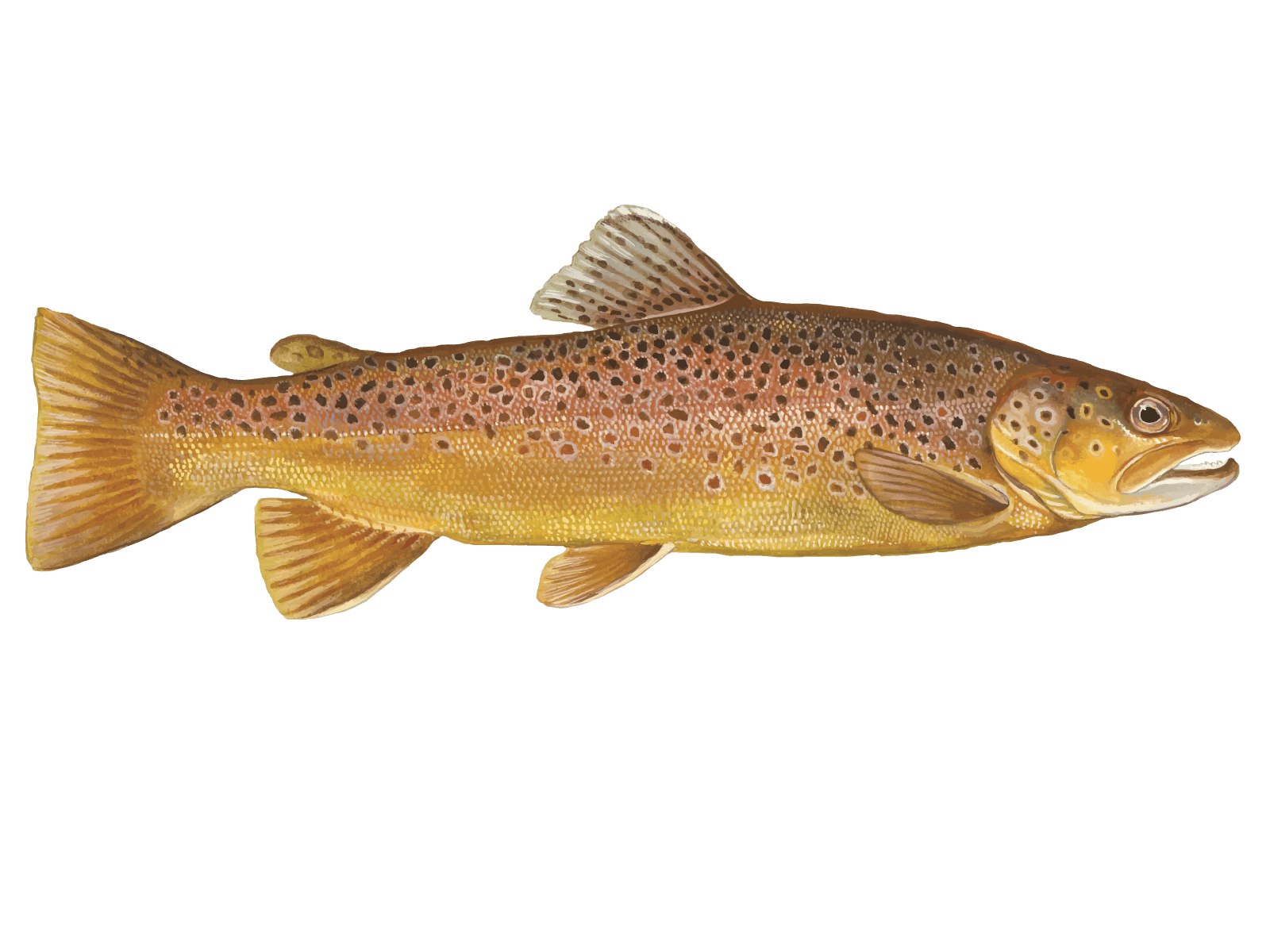
Brown Trout
Browns are the smartest trout in the lake and can live over 15 years, growing anywhere from 8-24 inches with some real giants pushing 30+ pounds. These golden-brown beauties with black spots love structure - rocky points, drop-offs, and areas with cover where they can ambush baitfish. They're most active during low light conditions, making our evening trips perfect timing. Fall is prime time when they feed aggressively before winter, though they bite year-round if you know where to look. What guests love most is the challenge - browns are wary and require finesse, but the reward is worth it with their strong fights and excellent table fare. The meat has a mild, sweet flavor that's hard to beat. Here's an insider tip: focus on deeper water near structure during our evening trips, and don't be afraid to downsize your presentation - browns can be picky.
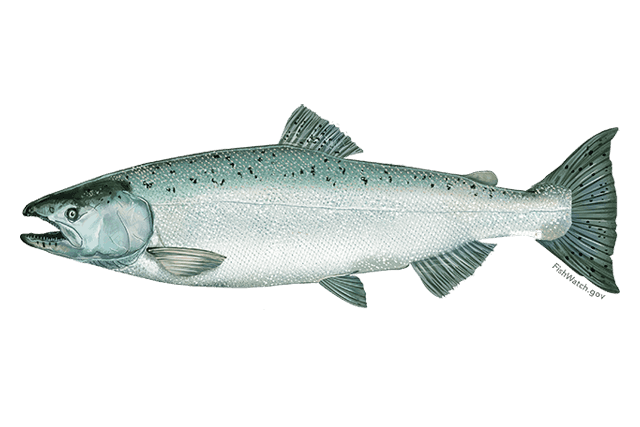
Chinook Salmon
Chinook are the kings of Lake Ontario - these bruiser salmon can hit 30+ pounds and will give you the fight of a lifetime. They typically run 12-39 inches with thick shoulders and serious muscle from feeding on alewives and smelt in deep water. You'll find them suspended 40-80 feet down during summer, relating to temperature breaks and baitfish schools. Early morning and evening produce best results since they're light-sensitive and move shallow to feed. Fall brings them closer to shore as they stage for spawning runs. Guests love the power these fish bring - they'll strip drag and make long runs that get your heart pumping. The meat is excellent too, with that rich salmon flavor. Local trick: when trolling, watch your fish finder for bait schools around 50-60 feet - that's where the big kings will be hunting.
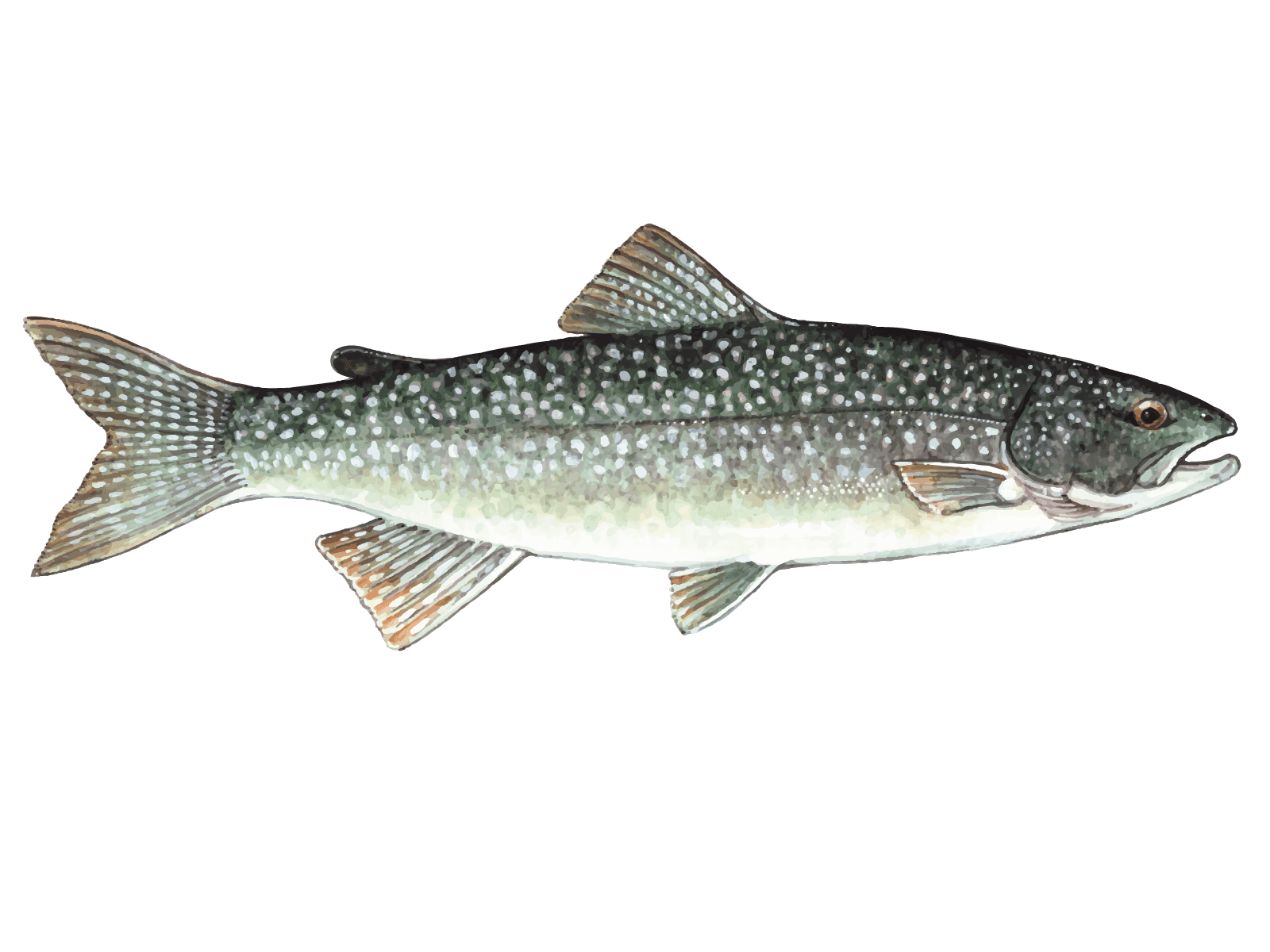
Lake Trout
Lakers are the giants of the char family and the only native deep-water game fish in the Great Lakes. These grey-green beauties with cream markings average 24-36 inches but can reach trophy sizes over 40 pounds. They live in the coldest, deepest parts of Lake Ontario, often suspended 60-120 feet down where oxygen levels stay high. Spring right after ice-out and fall are prime seasons when they move shallower and feed more actively. Summer finds them deep, following temperature breaks. What makes them special is their size potential and the technical challenge of fishing deep water. They're strong fighters that use their weight and the depths to their advantage. The meat is rich and flaky - great eating. Pro tip: use your electronics to find suspended fish, then vertical jig with spoons or soft plastics right through the school. Patience pays off with these deep dwellers.
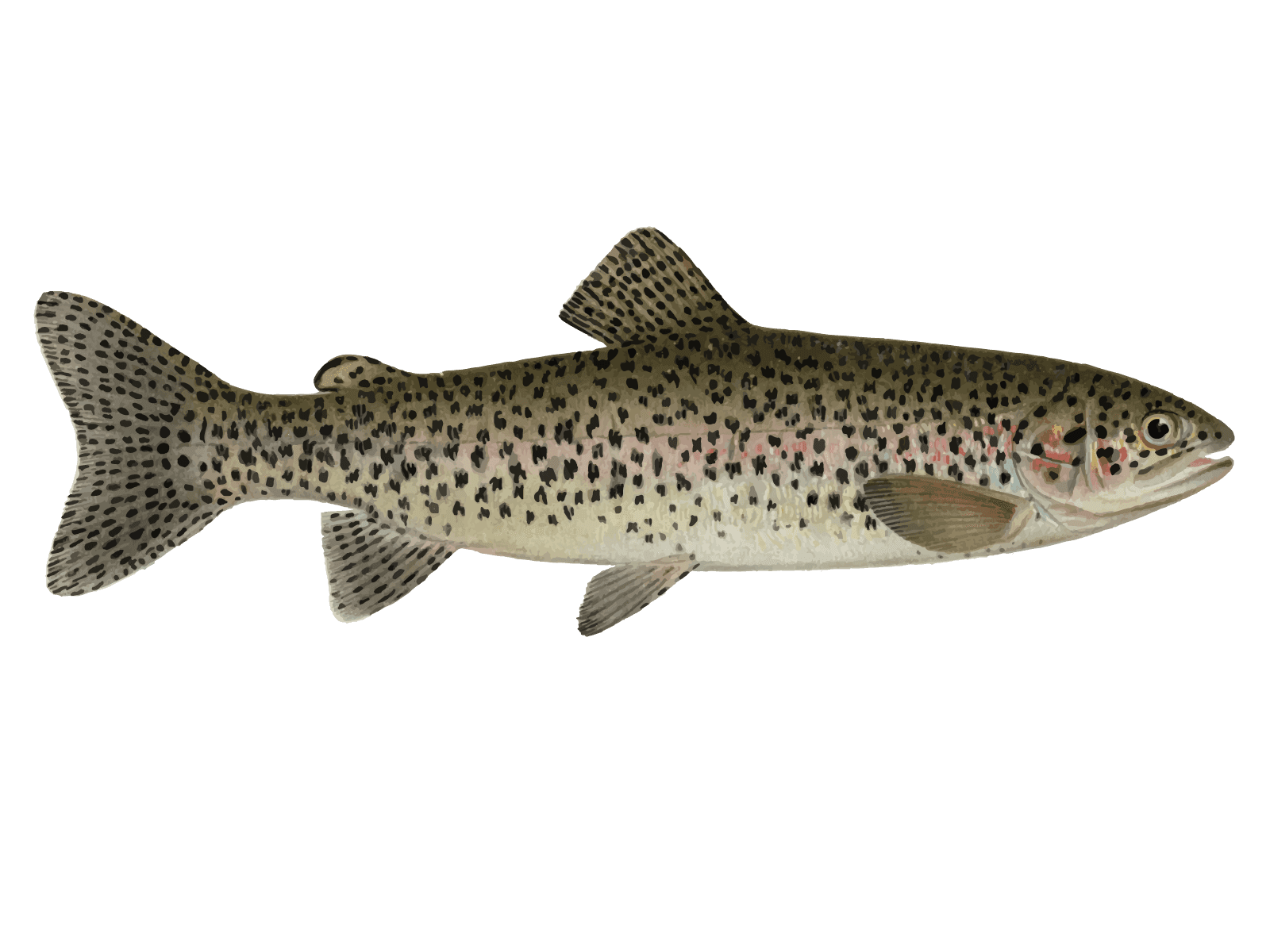
Steelhead Trout
Steelhead are sea-run rainbow trout that return to Lake Ontario looking chrome-bright and aggressive. These fish average 24 inches but can push 45 inches and fight like bulldogs when hooked. Unlike their rainbow cousins that stay in freshwater, steelhead spend years in open water feeding heavily, making them stronger and more streamlined. They prefer cooler water temperatures and often hang near tributary mouths or deeper structure. Fall through spring offers the best action when they're actively feeding before spawning runs. What makes them special is that incredible fight - they'll jump, run, and test your drag like few fish can. Pro tip: when the water temps drop below 60°F, slow your presentation down and fish closer to bottom structure where they hold.
About the Shenanigans
%2F%2Fusers%2F12e624f7-46df-44a6-aa12-ffc179931626%2Fvehicle_picture%2Fimg_0416.jpeg&w=1920&q=75)
Vehicle Guest Capacity: 6
Manufacturer Name: Crusader
Maximum Cruising Speed: 25
Number of Engines: 2
Horsepower per Engine: 350